Why Brand Impersonation Monitoring Matters Now More Than Ever
The McCormick Spice Scam
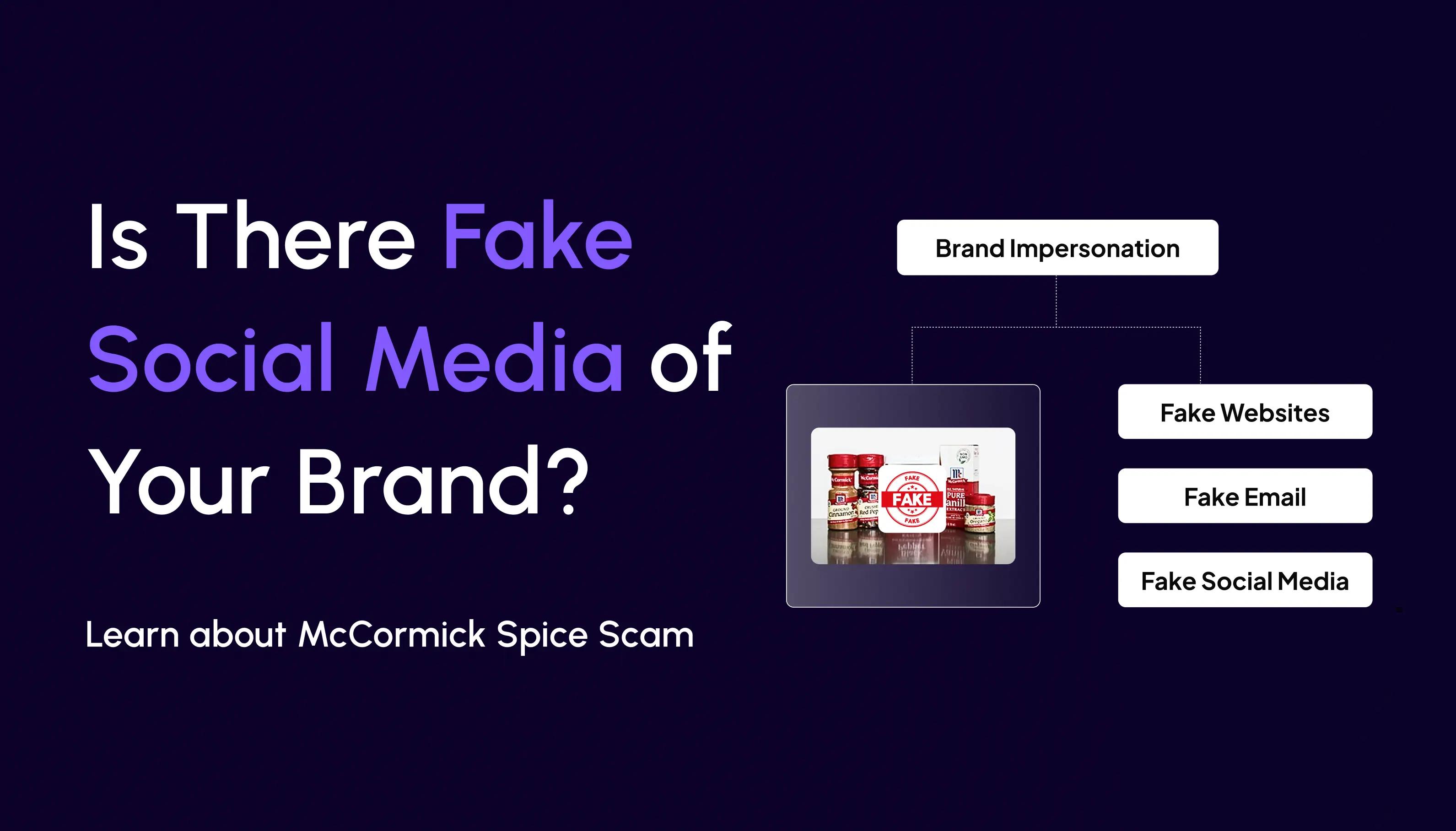
In early 2025, a deceptive wave of social media ads began circulating across Facebook and Instagram, offering what seemed to be a generous gift: a deluxe McCormick spice rack filled with premium seasonings—for free or a nominal shipping fee. These promotions claimed to celebrate McCormick’s “135th anniversary” or appeared to come from “insiders” sharing a limited-time deal.
But this promotion was entirely fake.
The scammers behind it built convincing websites like gentleharmony.life, securedspot.vip, and appwinz.com, closely mimicking McCormick’s branding and tone. These sites promised a free spice rack in exchange for a $1.95 to $5.95 shipping fee. Victims who submitted their payment info were enrolled—unknowingly—into a subscription trap charging $89.95 every month, with no spices ever delivered.
This isn’t just a one-off scam. It’s a powerful example of brand impersonation, and it can happen to any company—including yours.
Scam Breakdown: How the McCormick Impersonation Worked
Enticing Facebook Ads as Bait
Professional-looking ads offered free or discounted spice racks under the guise of an anniversary event or employee insider promo.
Fake McCormick-Branded Websites
Clicking the ad took users to fake domains impersonating McCormick with logos, color schemes, and product photos
Legitimacy Through Surveys
Victims were asked simple survey questions to make the experience feel official and personalized.
The Trap: "Shipping Fee" Equals Subscription
Customers entered payment info to cover a small shipping fee, unaware this enrolled them in a recurring $89.95/month subscription.
Hidden Fine Print
Terms of the subscription were buried in gray font, easily missed during checkout
Ongoing Charges with No Products Delivered
Victims were charged repeatedly with no spice rack ever arriving. Charges were often for unrelated services like software or e-book clubs.
Disappearing Sites and Dead-End Support
Scam sites vanished within days. “Customer service” was unreachable, and refund requests were ignored.
Why Brand Impersonation Is a Serious Threat
Brand impersonation isn’t just an inconvenience—it’s a cybercrime tactic that damages businesses and deceives customers.
The Real Risks:
Phishing & Financial Fraud
Fake pages capture credit card and personal info under your name.
Loss of Trust
Victims often blame the real brand, even if it wasn’t responsible.
Regulatory Exposure
Failing to detect and respond to impersonation can raise compliance risks under frameworks like GDPR or PCI DSS.
Lack of Visibility Across Platforms
Fake accounts are created across Facebook, Instagram, TikTok, X (Twitter)
McCormick Is Not Alone
Other major brands like Costco, YETI, and Home Depot have also been mimicked in similar scams. Impersonators are exploiting social media’s speed, reach, and trust factor to scale fraud with minimal effort.
How PurpleHunt Can Help: Real-Time Brand Protection
At PurpleHunt, we empower businesses to reclaim control over their digital identity with powerful Brand Impersonation Monitoring solutions.
1. Automated Detection of Fake Brand Accounts
We scan all major platforms around the clock for unauthorized profiles and impersonation attempts.
2. Real-Time Alerts for Fast Action
Your team receives immediate notifications so you can act before your customers are affected.
3. Threat Intelligence & Risk Prioritization
We analyze the behavior, language, and targeting of impersonators to assess the threat level and suggest optimal takedown strategies.
4. Takedown Assistance & Enforcement
From reporting to escalation, we support every step of the process to remove fake accounts quickly and protect your reputation.
5. Built-in Compliance Support
Easily generate audit trails and stay compliant with GDPR, PCI DSS, and other regulatory frameworks.
6. 24/7 Cybersecurity Expertise
Our team is on call around the clock—because impersonators don’t keep business hours.
The Takeaway: You Don’t Have to Be the Next McCormick
The McCormick spice rack scam is a textbook case of brand impersonation done at scale—and a warning to every business with a social presence. It shows how realistic and fast-moving these attacks can be.
Is there fake social media of your brand circulating right now?
If you’re not actively monitoring, there’s no way to know.